
Summary
When memory care is not enough, families face important decisions about their loved one's evolving health needs. Understanding the signs that a resident may need additional support helps families plan thoughtfully rather than react to crisis.
- Recognize when to reassess: repeated hospitalizations, difficulty swallowing, significant weight loss, major mobility changes, or the need for continuous nursing oversight may signal that current services require expansion
- Explore skilled nursing options: facilities with dementia expertise can provide licensed nursing, medication management, therapy, wound care, and around-the-clock clinical oversight when memory care cannot safely meet complex medical needs
- Consider hospice possibilities: hospice services focus on comfort and quality of life and may sometimes be provided within a memory care apartment, depending on eligibility and community coordination
- Involve the care team: decisions should include the resident's physician, community staff, family members, and other health professionals to determine what level of care is truly necessary
- Preserve dignity during transition: bring familiar items, share routines and preferences with new providers, and maintain meaningful connection through visits, music, and quiet presence
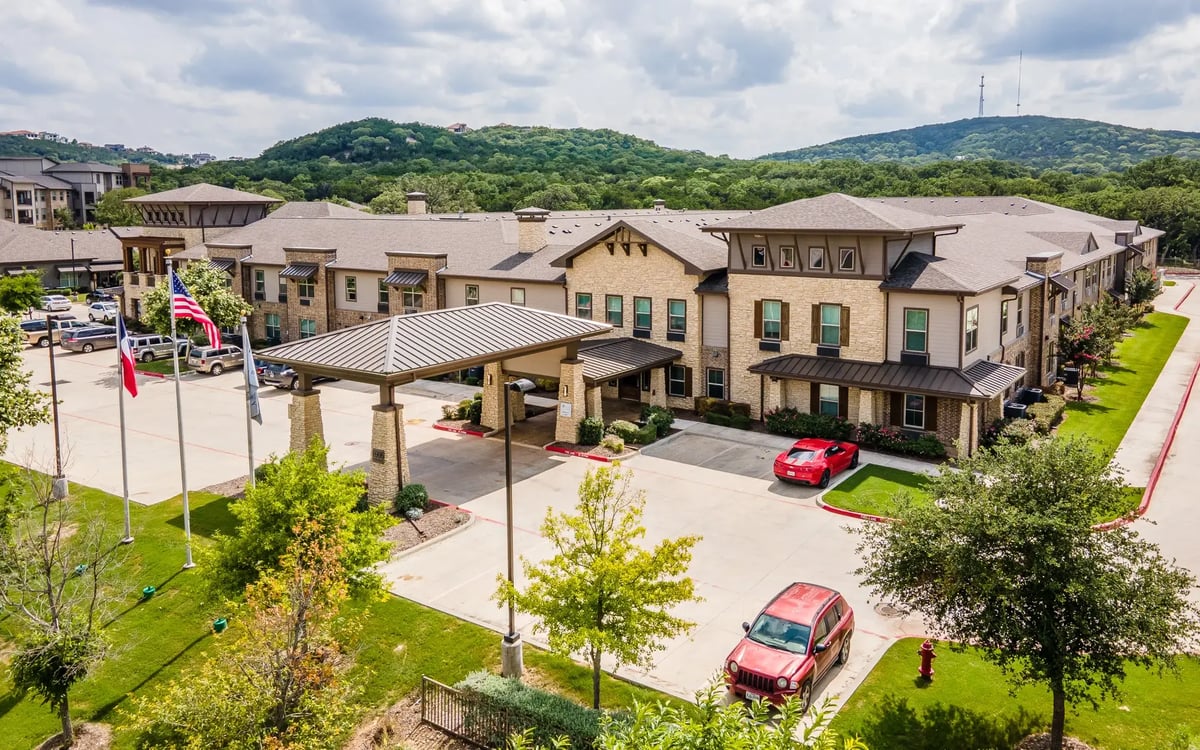
Watching a loved one progress through advanced dementia can bring grief, uncertainty, and difficult decisions. Families may wonder what happens when memory care is not enough to address increasingly complex medical needs. At Discovery Village Dominion in San Antonio, SHINE® Memory Care provides specialized dementia support, but some health changes may eventually require services beyond the community’s scope.
Learning about possible transitions before a crisis can help families ask informed questions, coordinate with health professionals, and preserve their loved one’s dignity and comfort.
Recognizing Advanced Dementia Care Needs
Memory care communities provide secure surroundings, personalized support, dementia programming, and help with daily routines. As dementia progresses, however, a resident may develop medical needs that require more intensive clinical oversight.
Changes that may prompt a new assessment include:
Repeated hospital visits, infections, or urgent medical interventions
Difficulty swallowing, dehydration, or significant unintended weight loss
Major mobility changes or the need for complex medical equipment
Wounds or health conditions requiring frequent skilled treatment
A need for continuous nursing oversight beyond community services
One change does not automatically mean a move is necessary. Begin by speaking with the resident’s physician and the community team. Ask whether additional health services can be brought into the current setting, whether the change may be temporary, and which needs the community can safely support.
The SHINE® Memory Care program at Discovery Village Dominion centers on personalization, specialized team training, dining support, family collaboration, life engagement, and environmental support. Regular communication can help everyone recognize when a resident’s needs have moved beyond that model.
Exploring the Next Level After Memory Care
There is no single next step for every person. The right option depends on medical complexity, mobility, swallowing ability, comfort, prognosis, and the services available locally.
A skilled nursing setting may be appropriate when someone requires frequent clinical treatment or around-the-clock nursing oversight. Available services can vary but may include:
Licensed nursing and medication administration
Physician coordination for complex health conditions
Physical, occupational, or speech therapy when appropriate
Wound treatment and management of specialized medical equipment
Assistance with positioning, transfers, nutrition, and personal routines
Some skilled nursing settings also have dementia-specific neighborhoods or team members with advanced experience. Families should ask how the setting supports residents who may have difficulty communicating pain, following instructions, or adjusting to an unfamiliar environment.
Before moving, request a clear explanation of why the current community can no longer meet the person’s needs. Ask what level of service is recommended and whether the need is expected to be temporary or ongoing.
Understanding a Memory Care-to-Hospice Transition
Hospice focuses on comfort and quality of life for people with a life-limiting illness who meet eligibility requirements. It is a service rather than a particular building, so hospice may sometimes be provided in a memory care apartment, skilled nursing setting, hospital, or private residence.
A hospice team may include physicians, nurses, social workers, spiritual support professionals, aides, and trained volunteers. Services may address pain and symptom management, emotional support, personal comfort, medical equipment, and guidance for families.
Hospice eligibility is determined by qualified health professionals based on the person’s condition and expected course. A family should ask:
Can hospice services be provided in the resident’s current apartment?
Which responsibilities belong to hospice, and which remain with the community?
How are medications, equipment, and urgent symptoms managed?
What support is available to family members before and after a death?
How often will hospice professionals visit?
Discovery Village Dominion families should speak directly with the community and hospice provider to confirm what services can be coordinated onsite. The community’s senior living programs include dining, housekeeping, transportation, and concierge support, but these amenities do not replace skilled medical or hospice services.
Deciding When to Move from Memory Care
The decision should be based on whether the current setting can safely and consistently meet the resident’s needs. Include the physician, community team, hospice representative when applicable, and family decision-makers in the conversation.
Ask for specific examples rather than broad statements. Understanding which needs cannot be met, what risks are present, and what another setting would provide can make the recommendation clearer.
When comparing end-stage dementia care options, consider clinical capabilities, dementia experience, distance from family, communication practices, visiting access, and the overall atmosphere. Review the memory care floor plans and pricing if remaining at Discovery Village Dominion is still possible with added outside support.
Supporting Comfort Through a Transition
Familiarity still matters as verbal communication and recognition change. Bring photographs, a favorite blanket, meaningful music, and familiar personal items to a new setting. Share information about the person’s routines, preferences, sources of distress, and ways they express pain or comfort.
Visits do not need to center on conversation. Sitting quietly, holding a hand, playing familiar music, or reading aloud can provide reassurance. Family members may also benefit from counseling, support groups, faith communities, or grief resources.
Frequently Asked Questions
Does Advanced Dementia Always Require Skilled Nursing?
No. The appropriate setting depends on the person’s medical needs and what services can be safely coordinated in the current community.
Can Hospice Be Provided in Memory Care?
Sometimes. Availability depends on hospice eligibility, community policies, state requirements, and the resident’s specific needs.
Who Determines When Memory Care Is No Longer Appropriate?
The decision usually involves the resident’s physician, community team, family, and other health professionals involved in the person’s support.
Advanced dementia can change what a person needs, but every transition should continue to prioritize comfort, dignity, familiarity, and meaningful connection. Planning early gives families more time to compare options and ask thoughtful questions.
To discuss SHINE® Memory Care, available support, and future planning, schedule a tour of Discovery Village Dominion.